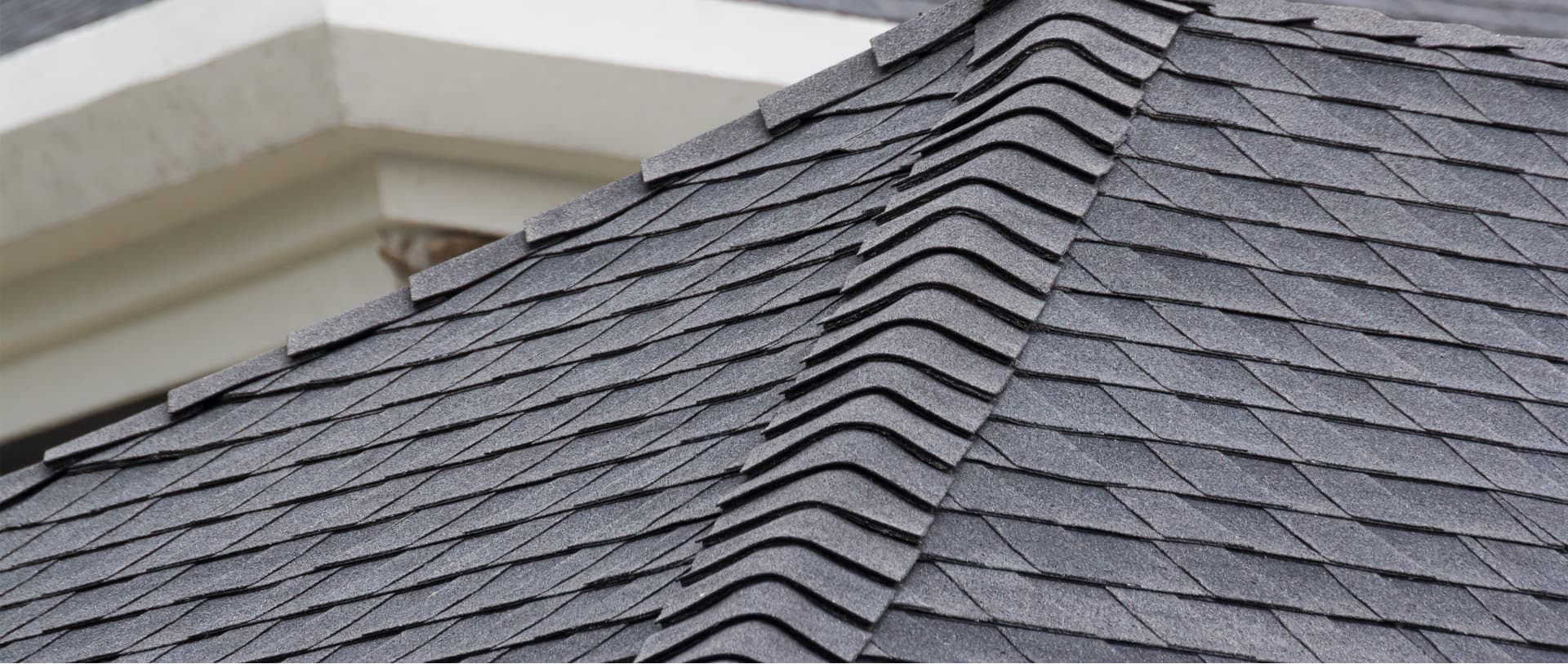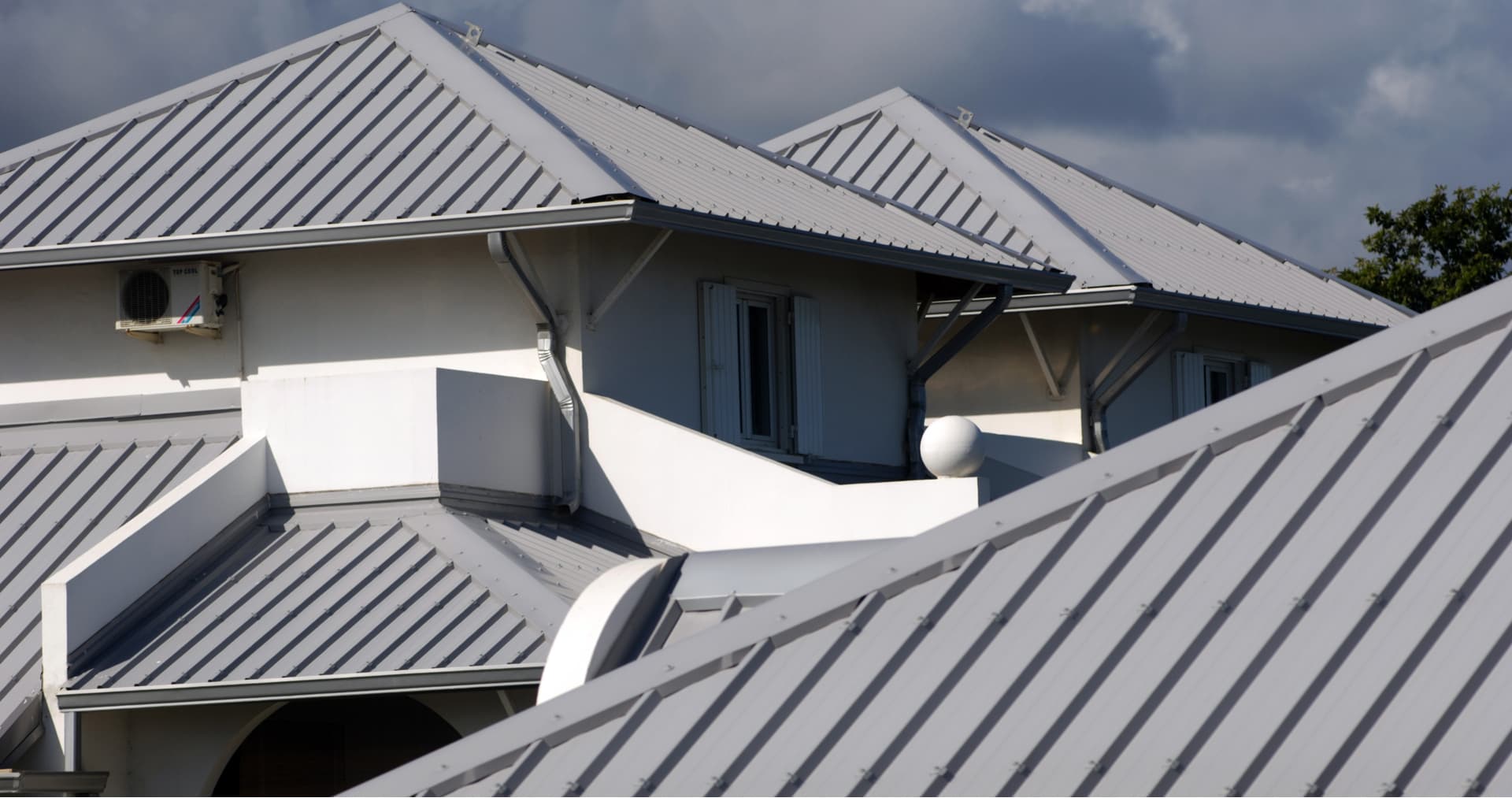
Replacing Your Roof in West Palm Beach? Look at Your AC Before the Crew Leaves
Your roof and your air conditioner wear out on the same schedule. Here is how West Palm Beach homeowners can plan both projects without paying twice.
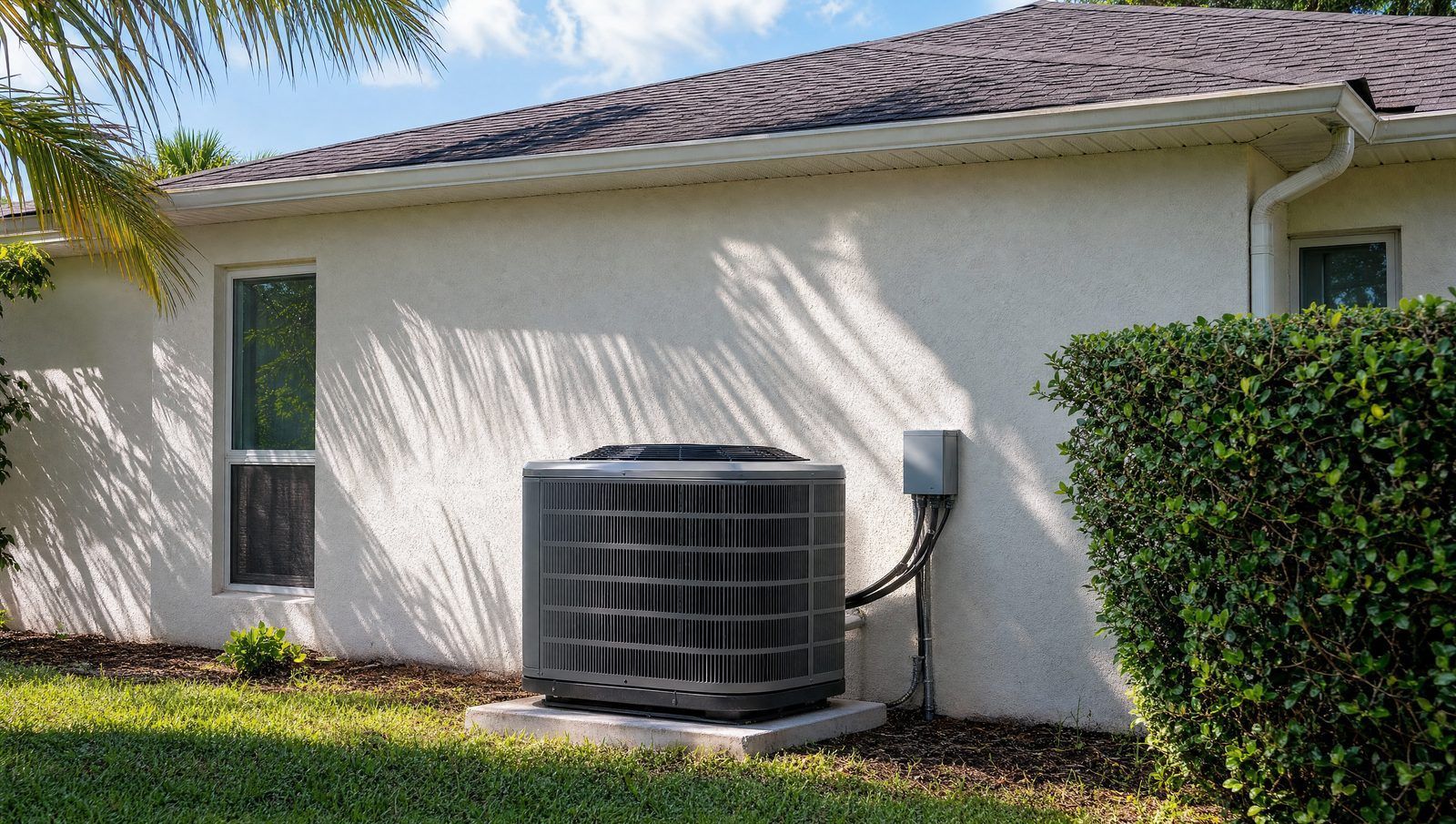
A roof replacement is the biggest exterior project most West Palm Beach homeowners will ever take on. What surprises people is how often it collides with another big-ticket system: the air conditioner. The two age on roughly the same clock, they fight the same heat, and the decisions you make about one quietly change the math on the other.
If your roofer is already on the schedule, this is the right month to give your cooling system a hard look too. Here is how the two fit together, and how to decide what actually needs replacing.
Your roof and your AC age on the same clock
In South Florida, an asphalt shingle roof gives you somewhere between 15 and 20 years before the sun and storm seasons use it up. A central air conditioner running Florida duty cycles lands in almost the same window, usually 12 to 17 years.
That overlap is not a coincidence. Both systems spend every summer absorbing or fighting the same brutal heat load, and both were probably installed around the same time, either when the house was built or during the last big renovation. If one is at the end of its life, the other is rarely far behind.
What a new roof changes about your cooling bill
A tired roof does more than risk leaks. Thin, heat-soaked shingles over a poorly vented attic push attic temperatures past 130 degrees, and that heat radiates straight down into your living space and your ductwork.
A new roof with modern underlayment, lighter-colored shingles, and corrected ventilation can drop that attic load noticeably. Plenty of homeowners find their AC runs shorter cycles the first summer after a reroof. That matters for the replacement decision: an aging AC that was barely keeping up under the old roof may get a second wind under the new one.
Repair or replace: how to actually make the call
The rule of thumb HVAC pros use is the 50 percent line: when a repair quote crosses half the cost of a new system, replacement usually wins, especially past the ten-year mark. Refrigerant type matters too, since older R-410A and legacy systems get more expensive to service every year.
If you are weighing that call right now, this plain-English breakdown of New AC Installation vs Replacement walks through the cost math, the efficiency gains, and the warning signs that a system is past saving. The climate details differ market to market, but the decision framework is the same one a good Palm Beach County contractor will walk you through.
Sequencing the work: roof first, then the AC
If both projects are on the horizon, do the roof first. Roofing crews work directly above the outdoor condenser, and falling debris, granules, and old fasteners are not kind to a brand-new unit sitting on the pad below.
There is a second reason: attic work. If the AC replacement includes new ductwork or an air handler swap, the crew wants a dried-in, well-ventilated attic to work under, not one that is open to the weather mid-reroof. Finish the roof, let the attic settle into its new temperature profile, then size the new AC against the improved conditions.
Questions to ask before next storm season
Whoever you hire for either job, a few questions sort the pros from the rest. Ask your roofer how the new ventilation plan changes attic temperatures, and ask whether the condenser needs protection while tear-off happens overhead.
Ask your AC contractor whether the system should be resized after the reroof, since a cooler attic can mean a smaller, cheaper unit does the same job. And ask both for their workmanship warranty in writing, because in West Palm Beach the next stress test is never more than one summer away.
Handle the two systems as a pair and you get a house that sheds water, sheds heat, and costs less to live in every month after the crews pull out of the driveway.